
Estimated reading time: 10 minutes
AI Agent Test
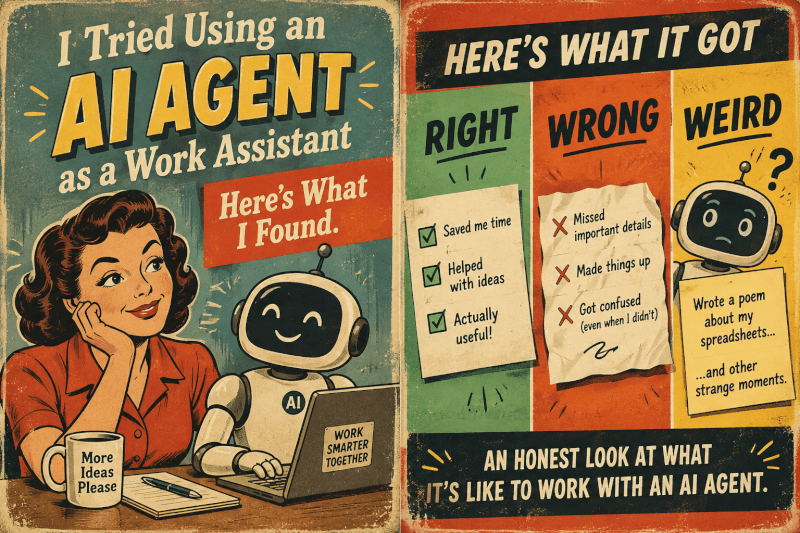
I used an AI agent-style workflow for a real creator task: helping create a recipe for my recipe site.
It was useful. It was fast. And no, I still would not treat it like a finished human replacement.
AI Agents Sound Amazing Until You Actually Use One
AI agents are one of those AI topics that sound amazing until you actually try to use one.
The pitch is simple: instead of just answering a question, an AI agent can supposedly think through a task, make a plan, use tools, gather information, and move the work forward with less babysitting.
That sounds great.
But the real question is not, “Are AI agents impressive?”
The better question is:
Would I actually trust one with real work?
That is what I wanted to figure out.
I have used AI tools enough to know they can save time, but I have also seen them confidently give bad information, miss obvious details, or write something that sounds polished but does not always feel useful. So I wanted to look at AI agents from a practical angle, not a hype angle.
I wanted to see where an AI agent actually helps, where it still needs a human watching it, and what parts of the process felt useful, strange, or risky.
My Test: Using an AI Agent Workflow for a Recipe Site
For my test, I used an AI agent-style workflow for a normal work task: creating a recipe for my recipe site.
I gave it ingredients and cooking methods, then asked it to turn those pieces into a usable recipe.
That is a realistic task for me because recipe content is not just about making words look nice. A recipe has to make sense. The ingredients need to match the steps. The cooking method has to fit the food. The timing needs to feel believable. The instructions need to be clear enough that someone else can follow them without guessing.
My goal was not to run a perfect lab test. I wanted to use it the way a normal creator, blogger, or small business owner might use it.
Could it organize?
I wanted to see if it could turn a messy idea into a usable structure.
Could it save time?
A recipe draft is only helpful if it speeds up the work without creating a new mess.
Could I trust it?
This was the big one. Good formatting does not automatically mean good content.
The first thing I noticed was that the agent was good at organizing the task.
Instead of me staring at a blank page, it broke the recipe into a structure. That part was useful. It gave me a starting point, and sometimes that is half the battle with content, recipes, or planning.
It helped me move from:
“I have ingredients and a cooking idea.”
to
“Here is a recipe format I can actually work with.”
That is where AI agents feel genuinely helpful. They are good at turning a rough idea into a checklist, outline, comparison, first draft, or in this case, a recipe.
What It Got Right
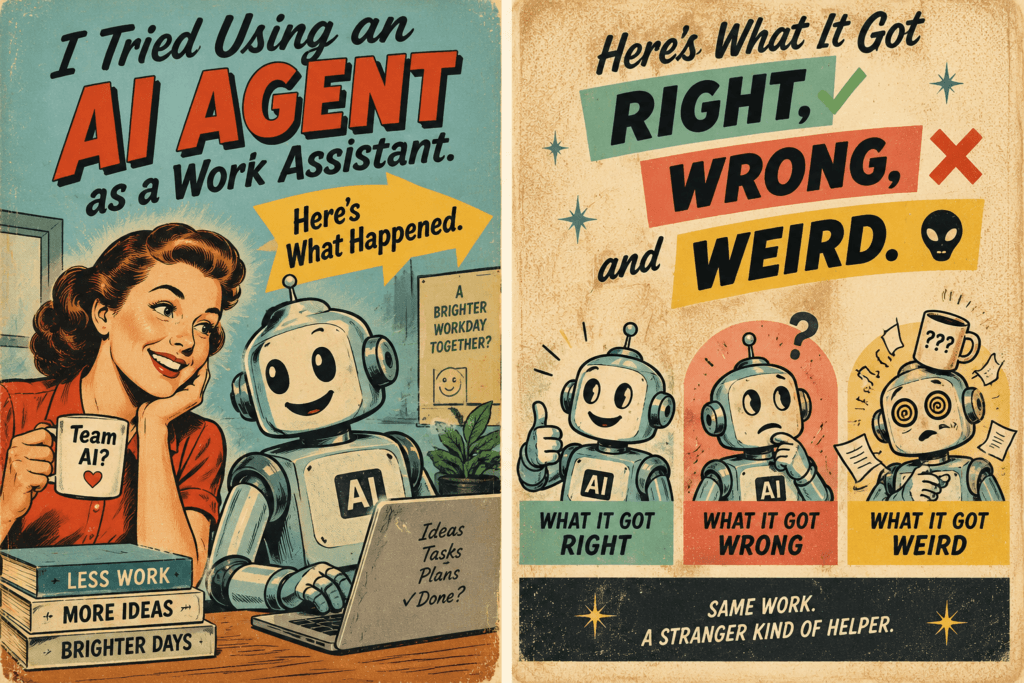
Honestly, I didn’t see any major errors in the result.
That surprised me a little.
The recipe made sense at a basic level. The steps were organized, and it gave me something I could review instead of having to build the whole thing from scratch.
For a recipe-site workflow, that is not a small thing. Sometimes the hardest part is not the final edit. It is getting the rough pieces into a shape where you can actually work with them.
Where the AI agent helped most
- It turned ingredients into a cleaner recipe format.
- It organized the cooking process into steps.
- It gave me a starting point instead of a blank page.
- It made the task feel less scattered.
- It created something I could review, adjust, and improve.
That is the real benefit I saw. It did not magically become a chef, editor, and publisher all at once. But it did help organize the work.
And for creators, that matters.
If you run a blog, recipe site, niche site, or small business website, you probably already know how much time gets lost before the “real writing” even starts. You have notes in one place, ideas somewhere else, maybe a few ingredients, maybe a cooking method, and then you still have to turn all of that into a clean post.
The AI agent-style workflow helped with that first big step.
What Still Needed a Human
Here is the part people need to understand:
Just because I didn’t see obvious errors does not mean I would blindly publish it.
A recipe still needs a human looking at it. Does the timing feel right? Would the texture come out the way the recipe says? Are the steps clear for a beginner? Is there enough flavor? Is anything missing that a real cook would notice?
That is where the human part matters.
The agent can help gather, organize, and format information, but it does not replace judgment. It does not know my recipe site’s style unless I guide it. It does not know my taste. It does not know what I would personally change unless I tell it.
And it definitely should not be trusted just because the answer sounds clean.
My human review checklist for AI recipe drafts
- Do the ingredients appear in the instructions?
- Are the cooking steps in the right order?
- Does the timing sound realistic?
- Would a beginner understand the instructions?
- Does the recipe need extra flavor notes, substitutions, or warnings?
- Did the AI invent anything I did not actually test?
- Does the final recipe sound like my site, or does it sound generic?
That last point is important.
The weak spot was not that the first version was full of obvious mistakes. The weak spot was originality.
The first version felt a little too safe. Nothing was obviously wrong, but it did not automatically have my personality, my taste, or the little human details that make a recipe feel real.
That is the part I would not publish as-is.
The Weird Part: It Felt Helpful, But Not Finished
A decent recipe post is not just ingredients and instructions. It needs a reason to exist. It needs helpful notes. It needs someone saying, “Here is what I would watch for,” or “This is where people might mess it up,” or “This is how I would make it better next time.”
That is where I think a human creator still has a big advantage.
AI agents can do some of the busywork, but they cannot replace the part where you decide what matters.
They can help you move faster, but they can also help you move faster in the wrong direction if you are not paying attention.
The weirdest part?
It can feel like you have an assistant, but also like you are managing someone who needs very clear instructions.
That is not meant as an insult. It is just the closest comparison I can think of.
It can be helpful. It can be fast. It can organize things well. But you still have to check the work.
What I Would Trust an AI Agent With
After this test, I would use an AI agent again. I just would not use it like a replacement for my own judgment.
For recipe content, I would trust an AI agent with things like:
First drafts
Turning rough ingredients and cooking methods into a basic recipe structure.
Organization
Creating steps, sections, storage notes, substitutions, and serving ideas.
Idea support
Helping brainstorm variations, grocery lists, and post outlines.
That is where it makes sense to me. Let the AI agent help with the first pass. Let it organize the messy parts. Let it give you something to react to.
But I would be more careful with:
Where I would not trust it blindly
- Publishing a recipe without reviewing it.
- Assuming the cooking time is perfect.
- Trusting nutrition details without checking.
- Letting it invent personal cooking experience.
- Using it for allergy, health, or safety claims without extra care.
- Letting it replace actual taste, testing, and judgment.
That is the line for me right now.
AI agents are useful when they help me think, organize, and move faster.
They are risky when they start acting like the final authority.
The Better Workflow
The best way to use them is not to hand over the whole job.
The better workflow is simple:
- Use the AI agent to create the first pass.
- Review the structure and check the details.
- Add your own judgment, testing, and personality.
- Only publish when the final result is actually useful for the reader.
That is probably the most honest way to look at AI agents right now. They are not magic workers. They are not useless either.
They are powerful assistants when the human stays in charge.
Final Takeaway
My biggest takeaway is this:
AI agents can save time, but they do not remove responsibility.
If I publish a recipe that is confusing, boring, or wrong, that is still on me. Not the AI. Not the tool. Me.
So yes, I would use AI agents again.
But I would use them like a helper, not a replacement.
The value is not letting the agent do everything.
The value is using it to get further faster, then bringing in the human part that actually makes the work useful.
TechnofluxAI CTA
I’ll keep testing AI tools from a practical creator angle, not just repeating the hype. If you use AI for blogging, recipes, SEO, or small business work, the real question is not whether the tool looks impressive. It is whether it helps you make something better.
TechnofluxAI guides
Start here to build your AI toolkit
First, compare useful AI tools. Then use these guides to grow your site, save time, and put simple tech to work.
More from Jon
Want something different? Visit MistakenlyAI.com for easy cooking ideas. Also, check TimewasterAI.com for product finds and shopping ideas.