
Disclosure: This post contains affiliate links. I may earn a commission at no extra cost to you.
Case Study ? “Check out the MIT case study here ?”
How MIT Is Using AI (And Why Most People Are Doing It Wrong)
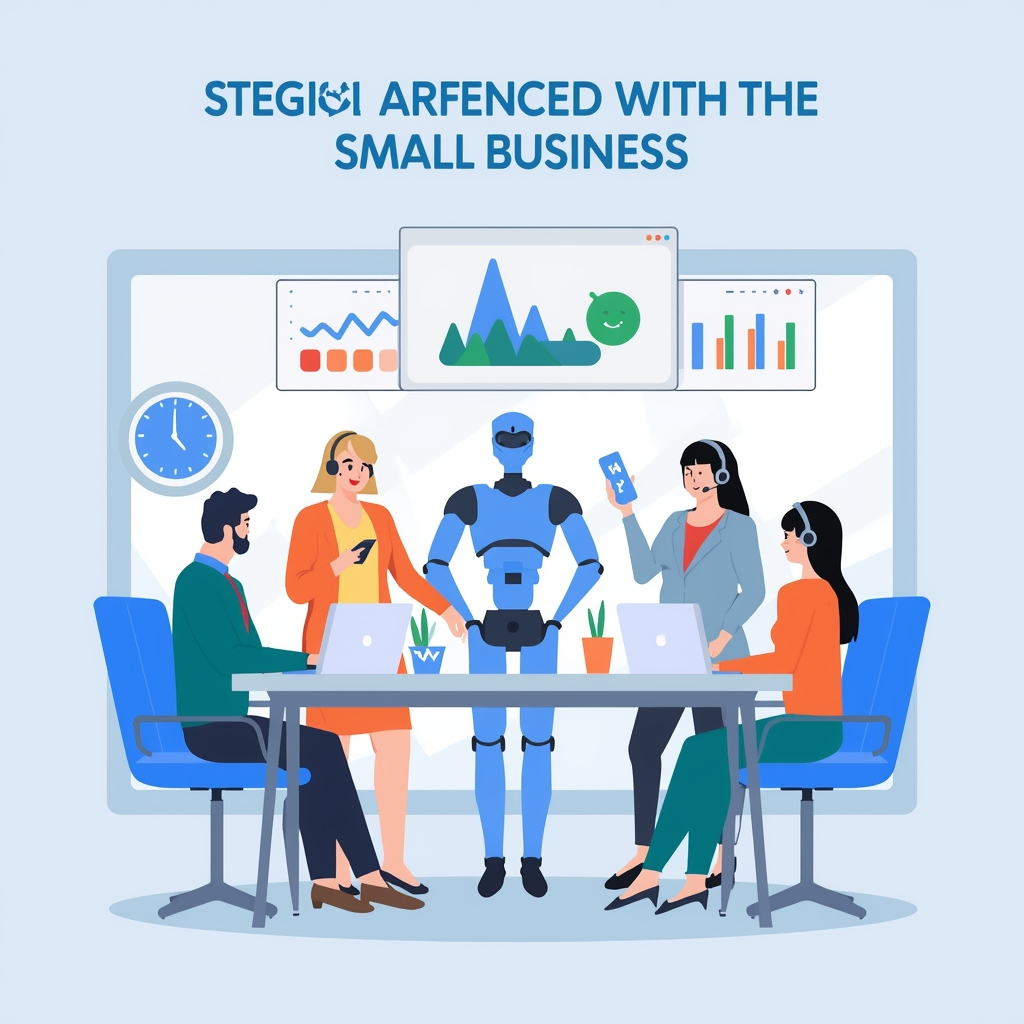
Businesses use AI in 2026 to save time, improve customer service, automate repetitive work, create content, and increase sales. From chatbots and email marketing to workflow automation and data analysis, AI is becoming one of the most important tools for companies of every size.
Why Only 5% of Companies Actually Succeed With AI
How Businesses Use AI Effectively
- They focus on ONE use case
- They integrate into workflows
- They use real data
While many businesses are experimenting with AI, only a small percentage are seeing real, measurable results. The difference comes down to how AI is implemented. Successful companies don’t treat AI as a one-time tool—they build it into their daily operations. They start with a clear use case, such as customer support or content creation, and then create repeatable systems around it. They also train AI using their own data, which makes outputs more accurate and relevant.
Over time
these systems are refined and improved, creating a compounding effect. This is why a small group of companies pulls ahead—because they focus on integration, consistency, and long-term strategy rather than random experimentation.
According to MIT research, up to 95% of AI projects fail to deliver real business value—mostly because companies never integrate AI into real workflows.
This article will highlight how businesses use AI to enhance productivity.
AI Use Cases in Business (Real Examples)
Businesses across industries are using AI in practical ways to improve efficiency and scale operations. One of the most common use cases is customer support, where AI chatbots handle inquiries instantly and reduce response times. In marketing, companies use AI to generate content, optimize campaigns, and personalize messaging for different audiences. AI is also widely used in data analysis, helping businesses identify trends, predict customer behavior, and make smarter decisions faster. Additionally, many organizations use AI for automation, streamlining repetitive tasks like scheduling, reporting, and workflow management. These real-world applications show that AI is not just a trend—it’s a powerful tool that businesses are using every day to operate more efficiently and stay competitive.
One reason how businesses use AI effectively is through targeted strategies.
Exploring how businesses use AI can uncover new opportunities.
- Customer support chatbots
- AI content creation
- Data analysis
Customer support chatbots are one of the most common ways businesses use AI today. Instead of relying on human agents for every question, companies are deploying AI systems that can instantly respond to customer inquiries 24/7. These chatbots are trained on company data, FAQs, and past interactions, allowing them to provide accurate, consistent answers without delays. This not only reduces support costs but also improves customer satisfaction by eliminating long wait times. More advanced systems, like the ones used in large organizations, can even handle complex requests, route issues to the right department, and learn from conversations over time—making them smarter and more efficient with every interaction.
? AI for Content Creation
AI is rapidly transforming how businesses create content, making it faster and more scalable than ever before. Instead of spending hours writing blog posts, social media captions, or marketing emails, companies are using AI tools to generate high-quality content in minutes. These systems can be trained to match a brand’s tone, style, and audience, ensuring consistency across all platforms. Businesses use AI to brainstorm ideas, draft articles, optimize for SEO, and even repurpose content into multiple formats. This allows small teams to produce large amounts of content without increasing workload, giving them a major competitive advantage in today’s fast-paced digital landscape.
Many companies are learning how businesses use AI to optimize operations.
AI for content creation is just one way how businesses use AI today.
Discover how businesses use AI in marketing and engagement strategies.
Understanding how businesses use AI is vital for competitive advantage.
AI for Data Analysis and Decision-Making
One of the most powerful ways businesses use AI is to analyze large amounts of data and turn it into actionable insights. Instead of manually reviewing spreadsheets or reports, AI can quickly identify patterns, trends, and opportunities that would be difficult for humans to spot. Companies use AI to predict customer behavior, optimize pricing strategies, and improve marketing performance. By making data-driven decisions, businesses can reduce risk and increase efficiency. Over time, these AI systems become more accurate, helping organizations make smarter decisions faster and stay ahead of competitors.
AI for Automation and Workflow Efficiency
AI is also being used to automate repetitive tasks, allowing businesses to operate more efficiently with fewer resources. From scheduling appointments and managing emails to processing orders and handling internal workflows, AI can take over time-consuming tasks that would otherwise require manual effort. This frees up employees to focus on higher-value work like strategy, creativity, and growth. Advanced AI systems can even connect multiple tools and processes together, creating seamless workflows that run automatically in the background. As a result, businesses can scale operations without significantly increasing costs or workload.
Explore how businesses use AI to address specific challenges.
The Biggest Mistake People Make With AI
Right now, most users treat AI like a search engine.
They:
• Ask random questions
• Generate quick content
• Use it occasionally
There’s no structure. No system. No long-term strategy.
That approach might save a little time… but it won’t scale.
This guide illustrates how businesses use AI to improve service delivery.
How MIT Uses AI Differently
Your success hinges on how businesses use AI to their advantage.
Analyzing how businesses use AI can lead to better decision-making.
MIT has been working with AI systems for over 2 years — and they don’t treat it like a casual tool.
They treat it like infrastructure.
Instead of asking random questions, they build AI systems that:
• Understand their internal data
• Follow specific workflows
• Deliver consistent, reliable outputs
• Support real decision-making
Analyze how businesses use AI to enhance customer experiences.
This is the difference between using AI and building with AI.
Companies that thrive are those that know how businesses use AI effectively.
What This Means for You
You don’t need to be MIT to use this strategy.
The key idea is simple:
? Stop using AI randomly
? Start building systems around it
For example:
Instead of:
“Write me a blog post”
You move toward:
• AI trained on your niche
• AI that understands your audience
• AI that creates consistent, branded content
This is how creators and businesses are starting to scale faster than ever.
The Power of Custom AI Systems
When you use AI the right way, it becomes:
• A content engine
• A customer support assistant
• A research tool
• A decision-making system
And most importantly…
? It works 24/7 without burnout
That’s the real advantage.
Understanding how businesses use AI can empower teams to excel.
Real Example: AI That Understands Your Business
Imagine having an AI that:
• Knows your website
• Understands your products
• Answers questions instantly
• Helps customers or creates content automatically
This is exactly what advanced AI setups are doing today.
And it’s not just for big organizations anymore.
Enhancing understanding of how businesses use AI can streamline processes.
See the MIT Case Study (Real Example)
If you want to see exactly how this works in practice, check out this real case study:
? https://customgpt.ai/?fpr=jon63
This breaks down how AI is actually being used at a high level — and how you can apply the same approach.
According to research from MIT, most companies are still experimenting with AI rather than fully integrating it into their business systems.
“Why Most Companies Fail With AI”
Harnessing how businesses use AI can lead to groundbreaking innovations.
Then write:
- Most businesses use AI randomly
- No system or workflow
- No training data
- No long-term strategy
According to MIT research, only a small percentage of companies actually see real results from AI, while the majority struggle because they never integrate it into real workflows.
❌ Most Businesses Use AI Randomly
By understanding how businesses use AI, organizations can innovate faster.
Most businesses approach AI without a clear plan, treating it like a quick tool rather than a long-term system. They jump in, ask a few questions, generate some content, and move on without any consistency. This random usage leads to inconsistent results and limits the true potential of AI. Instead of building structured processes, they rely on one-off prompts, which makes it difficult to scale or improve over time. Without a clear direction, AI becomes just another tool rather than a competitive advantage.
❌ No System or Workflow
One of the biggest reasons businesses fail with AI is the lack of a defined system or workflow. Successful companies don’t just use AI occasionally—they integrate it into their daily operations. This means creating repeatable processes where AI plays a specific role, whether it’s content creation, customer support, or data analysis. Without a structured workflow, results are inconsistent and difficult to replicate. A system allows businesses to streamline tasks, improve efficiency, and ensure AI is being used effectively across the entire organization.
❌ No Training Data
AI is only as good as the information it has access to, yet many businesses never train their systems on their own data. They rely on generic outputs instead of feeding AI their brand voice, customer insights, or internal knowledge. This results in responses that feel generic and disconnected from the business. Companies that succeed with AI take the time to train it using their own content, documents, and workflows. This allows the AI to produce more accurate, relevant, and valuable outputs that align with their specific goals.
❌ No Long-Term Strategy
Many businesses treat AI as a short-term experiment rather than a long-term investment. They test it briefly, don’t see immediate results, and move on. But real success with AI comes from consistent use and continuous improvement over time. Companies like MIT focus on building and refining AI systems that evolve with their needs. Without a long-term strategy, businesses miss out on the compounding benefits of AI, such as increased efficiency, better decision-making, and scalable growth.
“The Real Difference Between Winning and Losing With AI”
- Losers = random use
- Winners = systems + workflows
- AI success = integration, not tools
How to Start Using AI the Right Way (Simple Steps)”
Keep it simple:
- Pick one use case
- Use AI consistently
- Build a repeatable system
Final Thoughts
AI isn’t just a tool.
Discovering how businesses use AI leads to sustainable practices.
It’s a system.
The people who win in this space aren’t the ones asking the most questions…
They’re the ones building the smartest systems.
If you start thinking this way now, you’re already ahead of most people.
According to MIT research, companies see the most success when AI is integrated into real business workflows.
https://cisr.mit.edu/content/getting-flow-how-companies-use-ai-build-high-performing-business-processes
Overall, how businesses use AI is a vital topic for leaders.
The future of work is shaped by how businesses use AI.
Want More?
If you’re serious about using AI to grow faster, make money, or build something real:
Leaders understand how businesses use AI as a core component of growth.
Stay connected with TechnofluxAI — more breakdowns, tools, and strategies coming soon ?
It’s essential to understand how businesses use AI today.
Check out “how to make money with AI”
Unlocking potential depends on how businesses use AI strategically.
How to Write Better Prompts: A Beginner’s Guide to Getting Better AI Results
Exploring how businesses use AI helps identify best practices.
AI Tools for Thumbnails: Create Eye-Catching Images Faster
Learning how businesses use AI effectively can drive significant growth.