Estimated reading time: 6 minutes
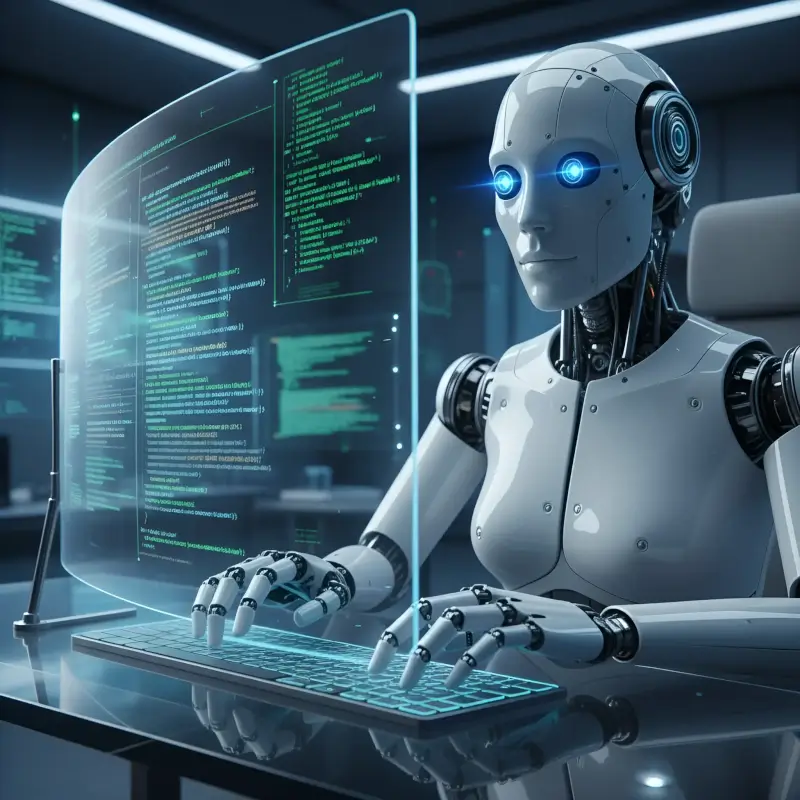
AI is faster. Smarter. Constantly learning.AI vs humans 2026
So… are humans falling behind?
Where AI Wins
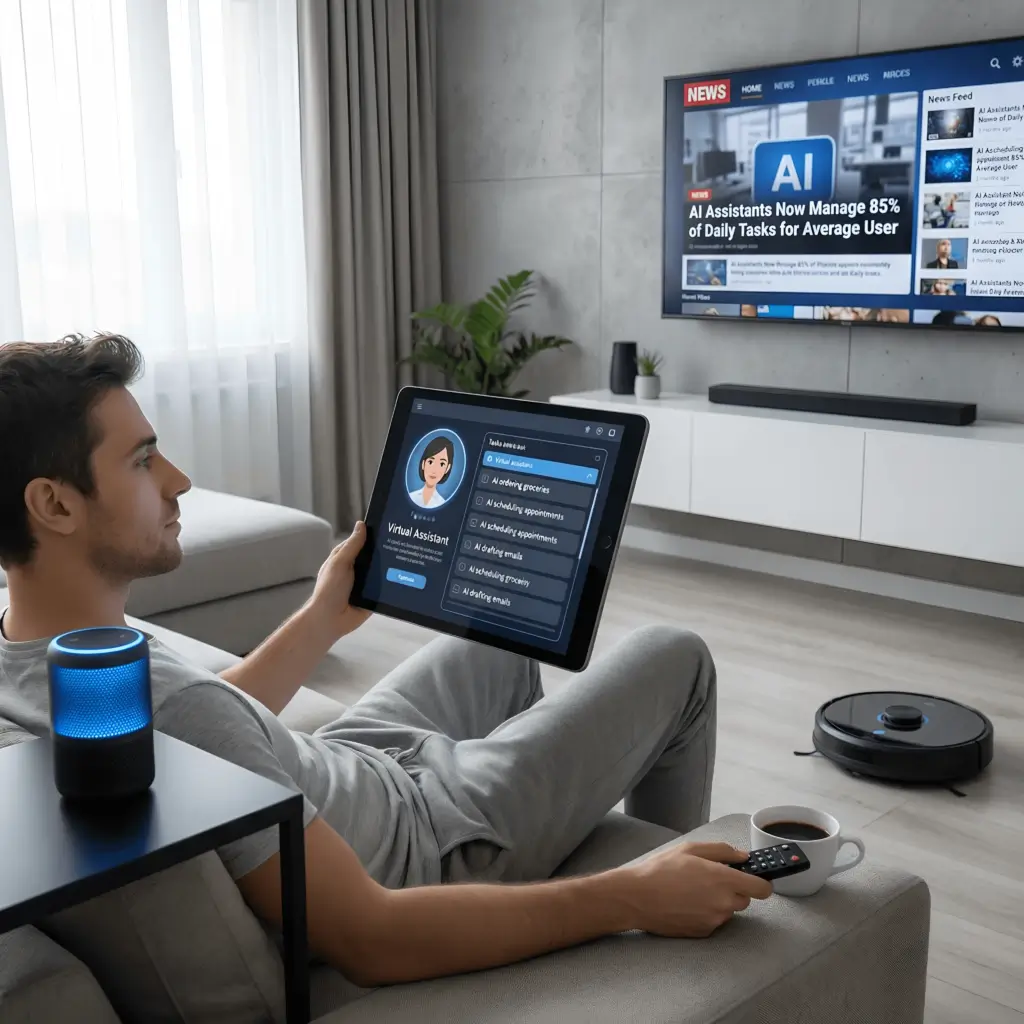
AI dominates in:
- Speed
- Data analysis
- Pattern recognition
It can process more in seconds than humans can in days.
Where Humans Win
Humans still lead in:
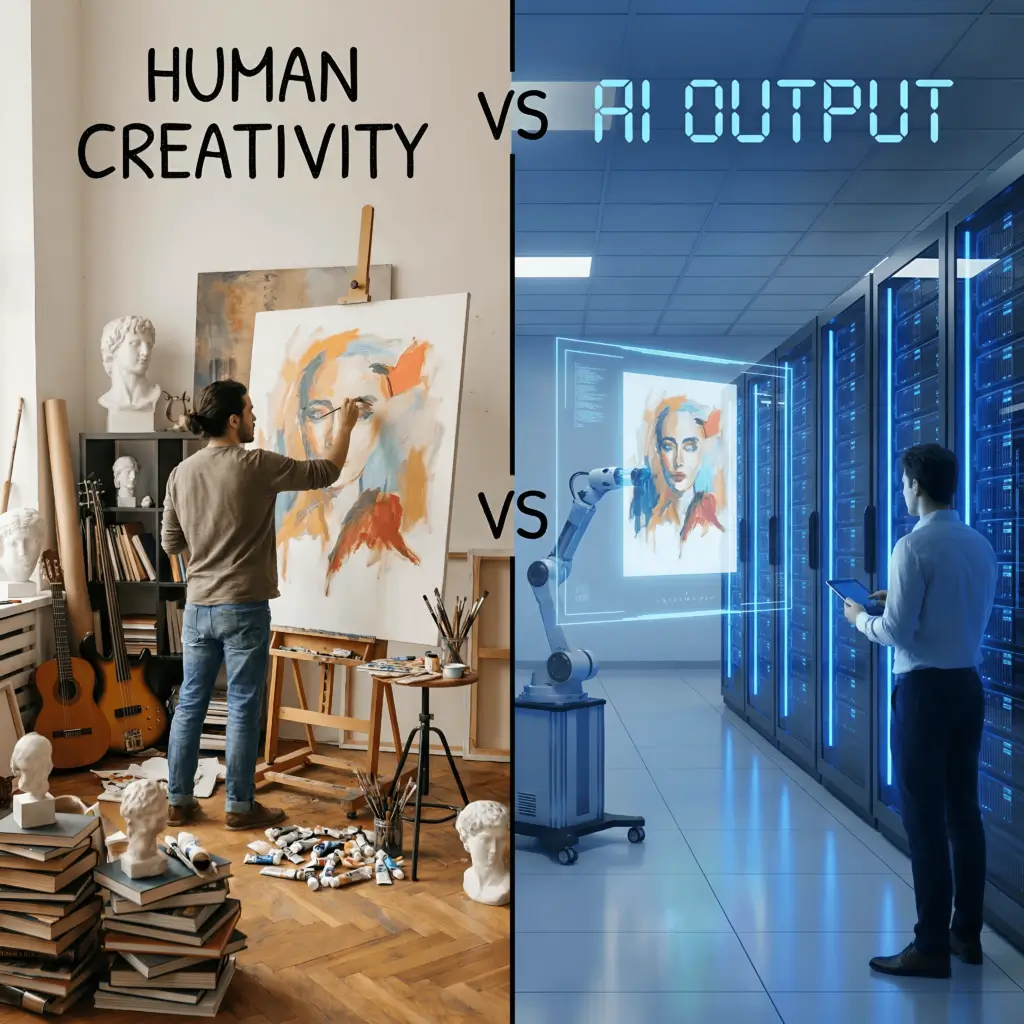
- Creativity
- Emotion
- Adaptability
These are things AI cannot fully replicate.
Understanding the True Difference Between AI and Humans
The debate around AI vs humans in 2026 is no longer theoretical—it is playing out in real time across industries, workplaces, and everyday life. Artificial intelligence has evolved to the point where it can perform tasks that once required human intelligence, raising an important question: who actually has the advantage?
To answer this, it’s essential to break down the fundamental differences between AI and human capabilities.
AI operates based on data, patterns, and algorithms. It processes vast amounts of information quickly and identifies patterns that would take humans significantly longer to detect. Humans, on the other hand, rely on experience, intuition, emotion, and creativity.
These differences define the strengths and limitations of each.
Where AI Clearly Outperforms Humans
In certain areas, AI has already surpassed human performance.
Speed and Efficiency
AI can analyze millions of data points in seconds. Tasks like data processing, pattern recognition, and repetitive calculations are completed almost instantly.
In industries such as finance, healthcare diagnostics, and logistics, this speed provides a major advantage. AI can detect trends, predict outcomes, and automate workflows at a scale that humans cannot match.
Consistency
Unlike humans, AI does not get tired, distracted, or emotional. It performs tasks consistently, maintaining the same level of accuracy over time.
This makes AI ideal for tasks that require precision and repetition, such as quality control, monitoring systems, and automated decision-making.
Data Handling
AI thrives on large datasets. It can process and learn from information far beyond human capacity, making it particularly powerful in areas like machine learning and predictive analytics.
In 2026, data has become one of the most valuable resources, and AI’s ability to leverage it gives it a significant edge.
Where Humans Still Dominate
Despite AI’s capabilities, there are critical areas where humans remain superior.
Creativity and Original Thinking
While AI can generate content, it does so based on patterns and existing data. Humans have the ability to think outside those patterns, creating truly original ideas.
Innovation often requires breaking rules, making unexpected connections, and imagining possibilities that do not yet exist. This is something AI struggles to replicate.
Emotional Intelligence
Humans understand emotions, empathy, and social dynamics. These skills are essential in leadership, communication, and relationships.
AI can simulate conversation, but it does not truly feel or understand emotions. This limits its ability to connect with people on a deeper level.
Complex Decision-Making
Real-world decisions are often influenced by factors that are difficult to quantify, such as ethics, values, and long-term consequences.
Humans can weigh these factors and make judgments that go beyond data. AI, by contrast, relies on programmed logic and available information.
The Collaboration Model
Rather than a competition, the future is increasingly defined by collaboration.
In 2026, the most effective approach is combining AI’s strengths with human abilities. This creates a hybrid model where:
- AI handles data and repetitive tasks
- Humans focus on strategy, creativity, and oversight
This collaboration leads to better outcomes than either could achieve alone.
The Workplace Transformation
The AI vs humans debate is most visible in the workplace. Automation is changing job roles, workflows, and skill requirements.
Some tasks are being replaced, particularly those that are repetitive or predictable. However, new roles are also emerging, especially in areas that require human judgment and creativity.
The key shift is not the elimination of human work, but the transformation of what work looks like.
The Psychological Factor
Another important aspect of the AI vs humans debate is psychological perception.
Many people fear that AI will replace them, leading to anxiety and resistance. However, this fear often comes from misunderstanding what AI can and cannot do.
Understanding AI as a tool rather than a competitor can help individuals adapt more effectively.
The Limits of AI
Despite its rapid advancement, AI has limitations that are often overlooked.
AI does not possess consciousness or true understanding. It cannot think independently or form intentions. It operates within the boundaries of its programming and data.
This means that while AI can simulate intelligence, it does not replicate human intelligence in its entirety.
The Role of Adaptability
One of the biggest advantages humans have is adaptability. Humans can learn, adjust, and respond to new situations in ways that AI cannot fully match.
This adaptability is crucial in a rapidly changing world. As technology evolves, the ability to learn and grow becomes more valuable than any single skill.
The Future Outlook
Looking ahead, the question of AI vs humans in 2026 is less about who wins and more about how both coexist.
AI will continue to expand its capabilities, automating more tasks and enhancing efficiency. At the same time, human skills will become more focused on areas that require creativity, empathy, and strategic thinking.
The balance between these two forces will shape the future of work, innovation, and society.
The Real Answer
So who wins—AI or humans?
The real answer is neither.
AI wins in speed, efficiency, and data processing. Humans win in creativity, emotion, and complex thinking.
The true advantage lies in combining these strengths. Those who learn how to work with AI will have a significant edge over those who do not.
In 2026, success is not about choosing between AI and humans—it’s about understanding how they complement each other.
The Real Answer
It’s not AI vs humans.
It’s AI + humans vs everyone else.
Internal Links ?
Final Verdict
Humans who leverage AI will always outperform those who don’t.
What can humans do better than AI?
Is AI a threat to human jobs?
How should humans adapt to AI?
Can AI think like a human?
Will AI ever surpass human intelligence completely?
What is the biggest advantage humans have over AI?
Sources
- Stanford AI Index
- Harvard Business Review
- McKinsey AI Studies
CTA ?
Use AI to your advantage—start building smarter with your tools on TechnofluxAI

About the Author
Jon Hicks
Founder of TechnofluxAI.
I’m the creator behind TechnofluxAI, focused on breaking down powerful AI tools, emerging trends, and practical strategies to help creators and entrepreneurs stay ahead in a rapidly evolving digital world.
Follow TechnofluxAI for the latest AI tools & strategies
Founder Insight: I’ve been working with computers, software, and creative technology since the early days of personal computing and personally test many of the AI tools featured on TechnofluxAI before recommending them.