Estimated reading time: 17 minutes
Introduction to AI in Programming
AI coding tools are evolving fast and revolutionizing the programming landscape. From generating full applications seamlessly to debugging complex issues with precision, artificial intelligence is fundamentally changing how software is conceptualized and built.
Furthermore, as AI continues to evolve, the demand for skilled programmers who can work alongside AI will only increase, leading to new and exciting career paths.
So, the big question is: Will AI completely replace programmers in the next 5 years? Will AI Replace Programmers in 2026? Reality Check This question brings a mix of excitement and concern for many in the software development industry.
Let’s delve into reality versus hype, examining the growth of AI and its implications for the future of programming.
What AI Can Already Achieve in Software Development
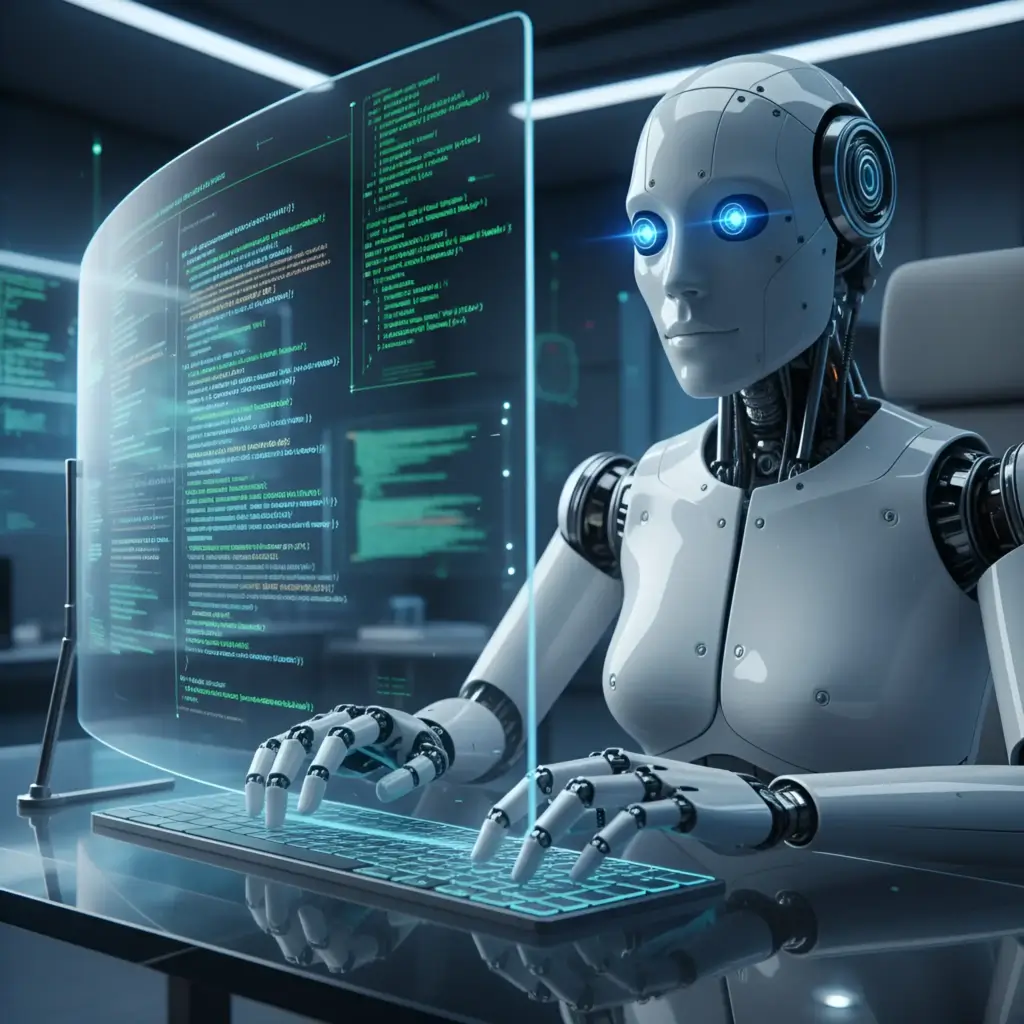
AI tools today are capable of:
- Generate functional code
- Debug common errors
- Build simple apps from prompts
This advancement has dramatically increased productivity, allowing developers to focus on more complex aspects of their projects.
What AI Can Actually Do Today (And Why It Matters)
To understand whether AI is truly replacing programmers, it’s important to look at what AI is already capable of doing in 2026. The conversation often gets exaggerated, with claims that developers will soon become obsolete. The reality is more nuanced.
AI tools can now generate code from simple prompts, debug errors, suggest optimizations, and even build small applications. This has significantly reduced the time required to complete repetitive and well-defined programming tasks.
However, these capabilities come with limitations. AI excels in structured environments where patterns are clear and data is abundant. It struggles in situations that require deep context, long-term planning, or understanding complex systems.
This distinction is critical. It means that while AI is transforming programming, it is not eliminating the need for human developers.
The Rise of AI-Assisted Development
In 2026, programming is increasingly becoming a collaborative process between humans and machines. Developers are no longer writing every line of code manually. Instead, they are guiding AI systems, reviewing outputs, and refining results.
This shift has given rise to a new workflow:
- Developers describe what they want
- AI generates initial code
- Developers test, modify, and integrate
This approach significantly increases productivity. Tasks that once took hours can now be completed in minutes. As a result, companies can build faster and scale more efficiently.
But this also changes the role of the programmer. Instead of focusing solely on writing code, developers must now understand how to effectively work with AI tools.
Why Junior Developers Are Most at Risk
One of the biggest impacts of AI is on entry-level programming roles. Junior developers typically handle tasks such as:
- Writing basic functions
- Fixing simple bugs
- Implementing standard features
These are exactly the types of tasks that AI can automate effectively.
As a result, companies may reduce the number of junior positions they hire. Instead of building large teams of entry-level developers, they may rely on a smaller number of experienced developers supported by AI.
This creates a challenge for newcomers entering the field. The traditional path of starting with simple tasks and gradually gaining experience is becoming less common.
The Skills That Still Matter
Despite these changes, there are several areas where human programmers remain essential.
System Design and Architecture
Designing complex systems requires an understanding of how different components interact over time. This involves making trade-offs, anticipating future needs, and considering scalability and security.
AI can assist with parts of this process, but it does not fully understand the broader context in which systems operate.
Problem-Solving and Critical Thinking
Programming is not just about writing code—it’s about solving problems. Many real-world challenges are not clearly defined and require creative thinking.
AI can provide suggestions, but it cannot fully replace the human ability to think critically and adapt to new situations.
Debugging Complex Issues
While AI can help identify errors, complex bugs often require deep investigation. Developers need to understand the underlying system, trace interactions, and test different scenarios.
This level of analysis goes beyond what AI can currently handle reliably.
Communication and Collaboration
Developers work with teams, stakeholders, and clients. They need to understand requirements, explain solutions, and collaborate effectively.
These human skills are difficult to automate and remain a key part of the programming profession.
The Shift From Coding to Oversight
As AI takes over more coding tasks, the role of the programmer is shifting toward oversight and decision-making.
Instead of writing every detail, developers are:
- Reviewing AI-generated code
- Ensuring quality and security
- Making high-level decisions
This is similar to how automation has changed other industries. Workers move from manual tasks to supervisory roles.
In this new environment, the value of a programmer is not measured by how fast they can write code, but by how well they can guide and manage AI systems.
The Economic Impact on the Industry
AI is also changing the economics of software development. With increased efficiency, companies can achieve more with fewer developers.
This could lead to:
- Smaller development teams
- Faster product cycles
- Increased competition
At the same time, demand for software continues to grow. More businesses are becoming digital, creating new opportunities for developers.
The result is a complex landscape where some roles are reduced, while others are created.
Will AI Replace Programmers Completely?
The short answer is no. AI is not likely to fully replace programmers in the next five years.
However, it will replace certain tasks and reshape the profession.
The more accurate question is not whether AI will replace programmers, but how it will change what it means to be a programmer.
The New Developer Mindset
To stay relevant in 2026 and beyond, developers need to adapt their mindset.
Instead of focusing only on coding, they should:
- Learn how to use AI tools effectively
- Understand system design and architecture
- Develop strong problem-solving skills
- Stay updated with new technologies
Those who adapt will find that AI enhances their abilities rather than replaces them.
The Opportunity Hidden in the Disruption
While AI presents challenges, it also creates opportunities.
Developers who embrace AI can:
- Build faster
- Experiment more
- Focus on higher-level work
This can lead to more innovation and creativity.
In many ways, AI is not reducing the importance of programmers—it is raising the bar for what they can achieve.
The Reality Check for 2026
The idea that AI will replace all programmers in the next five years is an oversimplification. The reality is more balanced.
AI is transforming programming, automating repetitive tasks, and changing workflows. But it is not eliminating the need for human expertise.
The developers who succeed will be those who adapt, learn, and leverage AI as a tool rather than viewing it as a threat.
Preparing for the Future
For those entering the field, the key is to focus on skills that AI cannot easily replicate.
This includes:
- Deep understanding of programming concepts
- Strong analytical thinking
- Ability to learn and adapt quickly
For experienced developers, the focus should be on integrating AI into their workflow and staying ahead of industry trends.
Will AI replace programmers in 2026?
What jobs in programming are most at risk from AI?
Can AI write code better than humans?
Is coding still worth learning in 2026?
How is AI changing software development?
Final Perspective
AI is not the end of programming—it is the next phase of its evolution.
The question is not whether programmers will exist in the future, but what kind of programmers will be needed.
In 2026, the most valuable developers are not those who resist AI, but those who understand how to use it effectively while maintaining the human skills that technology cannot replace.
Where AI Still Falls Short in Programming
Despite its immense potential, AI struggles with:
- Complex system architecture
- Deep debugging across systems
- Long-term product thinking
Programming isn’t just about writing code—it encompasses problem-solving and strategic thinking.
The Shift: From Coders to Builders in the AI Era
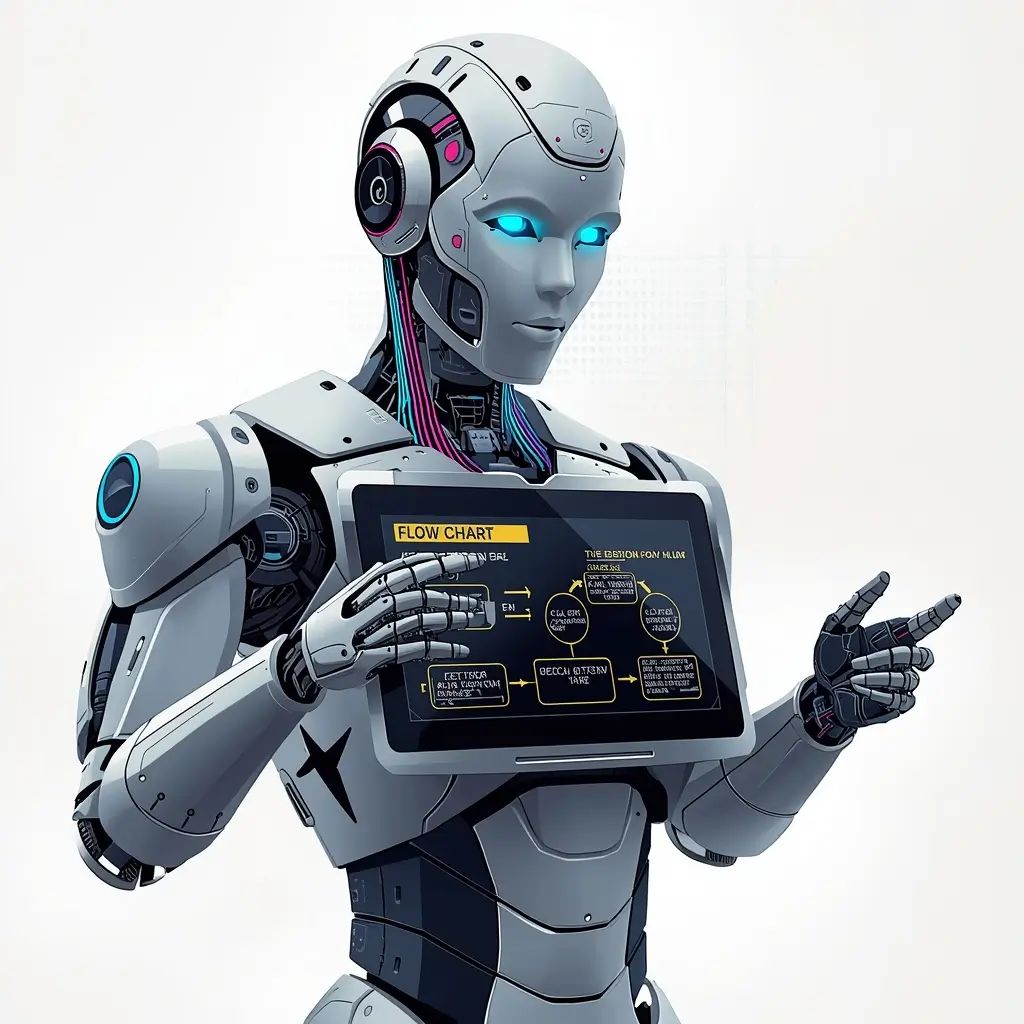
As AI continues to advance, developers are evolving into:
- System designers
- Product thinkers
- AI-assisted builders
The role of the programmer is changing—not disappearing. Embracing these changes is essential for future success.
Internal Links for Further Reading ?
- Is AI Killing Creativity or Enhancing It?
- AI vs Humans: Who Wins in 2026?
- Are We Too Dependent on AI Already?
Final Verdict on the Future of Programming
AI will not outright replace programmers. Instead, it will transform the landscape of programming.
However, programmers who leverage AI tools will have a significant advantage over those who do not, making continuous learning essential.
❓ Q&A: Addressing Common Concerns
Q: Should I still learn coding in 2026?
Yes—coding + AI is one of the most valuable skills today.
Q: Should I still learn coding in 2026?
Absolutely—combining coding skills with AI knowledge will be one of the most valuable skill sets in the job market.
Q: What jobs are at risk due to AI?
Entry-level and repetitive coding roles are most vulnerable, but opportunities will still exist for those who adapt and evolve.
Q: What jobs are at risk?
Entry-level and repetitive coding roles.

About the Author
Jon Hicks
Founder of TechnofluxAI.
I’m the creator behind TechnofluxAI, focused on breaking down powerful AI tools, emerging trends, and practical strategies to help creators and entrepreneurs stay ahead in a rapidly evolving digital world.
Follow TechnofluxAI for the latest AI tools & strategies